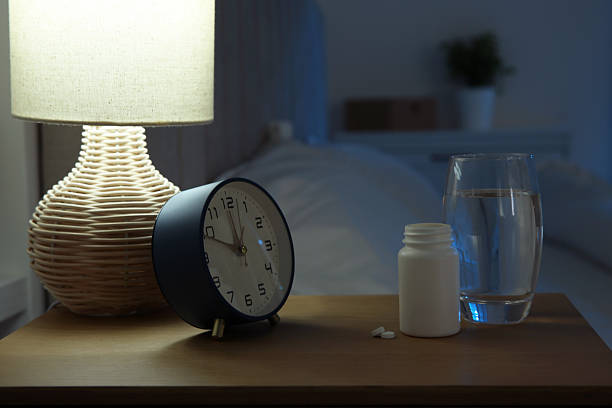
Sleep hygiene refers to the habits, behaviours, and environmental factors that influence how well you sleep. Think of it like dental hygiene — small daily habits that, when done consistently, produce massive long-term results.
Poor sleep hygiene is linked to:
- Chronic fatigue and low energy
- Weakened immune system
- Increased anxiety and depression
- Higher risk of heart disease and diabetes
- Reduced productivity and focus
Getting your sleep hygiene right is the foundation of better rest — and in many cases, it can significantly reduce the need for sleep aids.
10 Best Sleep Hygiene Tips That Actually Work in 2026
1. Stick to a Fixed Sleep Schedule — Even on Weekends
Your body runs on a circadian rhythm — an internal 24-hour clock. When you go to bed and wake up at the same time every day, your body learns to naturally feel sleepy and alert at the right times.
What to do:
- Set a consistent bedtime (e.g., 10:30 PM) and wake time (e.g., 6:30 AM)
- Avoid sleeping in on weekends by more than 1 hour
- Use a gentle alarm — not a blaring siren — to avoid cortisol spikes
Pro Tip: Even if you had a terrible night’s sleep, wake up at your regular time. Resist the nap. By the following night, your sleep pressure will be strong enough to give you a deep, solid sleep.
2. Design a Wind-Down Routine 60 Minutes Before Bed
Your brain doesn’t switch off instantly. It needs transition time to move from “go mode” to “sleep mode.” A consistent pre-sleep routine signals to your brain that it’s time to rest.
Ideal wind-down routine:
- 📖 Read a physical book (not a screen)
- 🛁 Take a warm bath or shower
- 🧘 Do 10 minutes of light stretching or meditation
- 📵 Put your phone on Do Not Disturb
Avoid high-intensity exercise, heated arguments, or work emails in this window.
3. Optimise Your Bedroom Environment
Your bedroom should feel like a sleep sanctuary — cool, dark, and quiet.
The science-backed settings:
- Temperature: 16–18°C (60–65°F) is the ideal sleep temperature
- Darkness: Use blackout curtains or a sleep mask
- Noise: Use earplugs or a white noise machine
- Bed: Reserve your bed only for sleep and intimacy — not Netflix or working
In 2026, many people are using smart home integrations (like smart thermostats and dimmable lighting on timers) to automate the perfect sleep environment.
4. Cut Caffeine After 2 PM
Caffeine has a half-life of 5–7 hours, which means that your 4 PM coffee is still 50% active in your bloodstream at 10 PM. Even if you feel like you can sleep after caffeine, it significantly reduces deep sleep quality.
Caffeinated drinks to watch:
- Coffee and espresso
- Energy drinks (Red Bull, Monster, etc.)
- Black, green, and white tea
- Some soft drinks and pre-workout supplements
Switch to herbal teas like chamomile, valerian root, or passionflower in the evening — all of which have mild sleep-supporting properties.
5. Limit Blue Light Exposure in the Evening
Blue light from screens — smartphones, tablets, laptops, and TVs — suppresses melatonin production, the hormone that makes you sleepy. This is one of the biggest culprits behind modern sleep disruption.
How to manage blue light:
- Use Night Mode or warm screen filters after sunset
- Wear blue-light blocking glasses in the evening
- Aim to put away all screens at least 45 minutes before bed
- Replace scrolling with reading, journaling, or light conversation
6. Watch What You Eat at Night
Your digestive system doesn’t go to sleep as fast as you do. Heavy, fatty, or spicy meals close to bedtime can cause reflux, bloating, and discomfort that disrupts sleep.
Sleep-friendly eating habits:
- Eat your last large meal 2–3 hours before bed
- If you’re hungry, a small snack with complex carbs and protein is fine (e.g., a banana and almond butter)
- Avoid alcohol — while it may make you feel drowsy, it fragments sleep and reduces REM sleep quality
- Stay well-hydrated during the day, but taper fluid intake in the evening to reduce night-time awakenings
7. Get Morning Sunlight Every Day
This is one of the most underrated sleep hygiene tips. Getting natural light exposure in the morning — even for just 10–15 minutes — powerfully sets your circadian rhythm.
Morning light:
- Raises cortisol at the right time (morning, not 3 AM)
- Boosts serotonin, which later converts to melatonin
- Improves mood and alertness throughout the day
What to do: Step outside within 30–60 minutes of waking up. No sunglasses. Even on a cloudy day, outdoor light is far brighter than indoor lighting.
8. Exercise — But Time It Right
Regular physical activity is one of the most effective natural sleep aids available. Studies show that people who exercise regularly fall asleep faster and enjoy deeper sleep.
Best practices:
- Aim for at least 150 minutes of moderate exercise per week
- Morning or afternoon workouts are ideal
- Avoid vigorous exercise within 2 hours of bedtime — it raises core body temperature and adrenaline, making it harder to fall asleep
Yoga and light stretching, however, are excellent evening options.
9. Manage Stress and Anxiety Before It Manages You
Racing thoughts at bedtime are one of the most common sleep disruptors. Anxiety and stress keep the brain in a high-alert state — the exact opposite of what’s needed for restful sleep.
Evidence-based stress reduction techniques:
- Journaling: Write down your worries and tomorrow’s to-do list. This “offloads” mental clutter from your brain.
- 4-7-8 Breathing: Inhale for 4 counts, hold for 7, exhale for 8. Repeat 4 times. This activates the parasympathetic nervous system.
- Progressive Muscle Relaxation (PMR): Tense and release each muscle group from toes to head.
- Cognitive Shuffle: Think of random, unrelated images (a bicycle, a cloud, a teapot) — a 2026-trending technique that interrupts the anxious thought loop.
10. Know When to Seek Additional Support
Sometimes, sleep hygiene alone isn’t enough — and that’s okay. If you’ve consistently followed these tips for 4–6 weeks and still struggle with sleep, it may be time to consider additional support.
Conditions like chronic insomnia, sleep apnoea, restless leg syndrome, or severe anxiety often require medical attention. A healthcare professional can evaluate whether short-term medication — such as a prescribed sleeping aid — might be an appropriate part of your treatment plan.
At Relaxa Meds, we offer a carefully selected range of sleep and anxiety support medications, including:
- Temazepam 20mg — a short-term sleep aid for those with persistent insomnia
- Lorazepam 1mg — used for anxiety-related sleep disturbance
- Diazepam (Valium) — for anxiety and muscle tension that interferes with rest
⚠️ Always consult a qualified healthcare professional before starting any medication. These products should be used responsibly and only as directed.
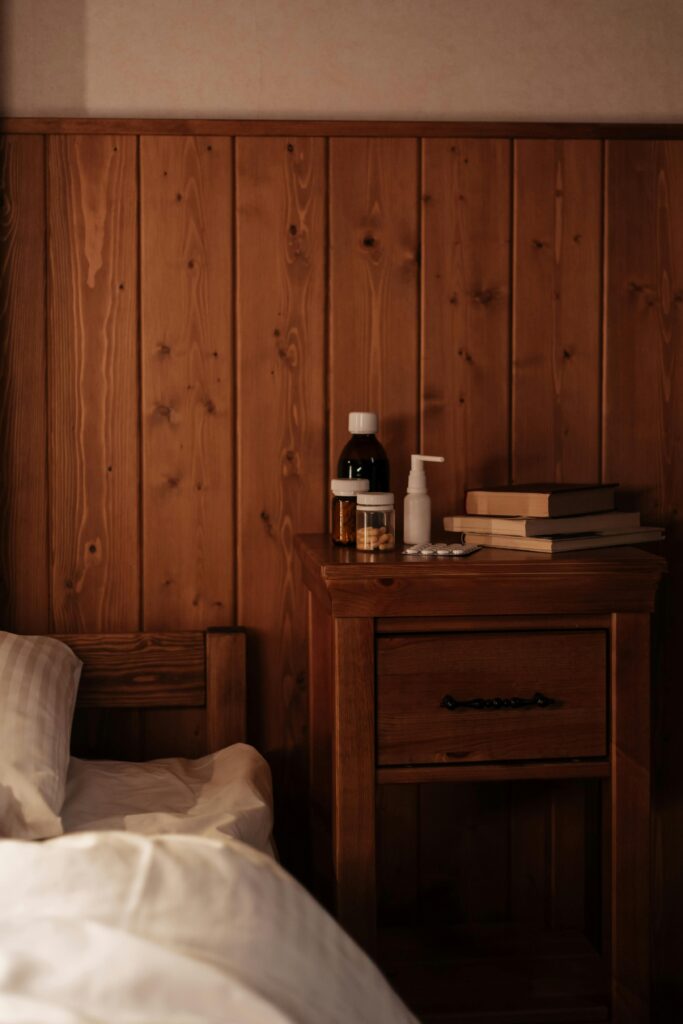
Quick Reference: Sleep Hygiene Checklist
Use this checklist every night to build your ideal routine:
| Habit | Time | ✅ Done? |
|---|---|---|
| No caffeine after 2 PM | Daytime | ☐ |
| Get 10 min of morning sunlight | Morning | ☐ |
| Exercise (not within 2 hrs of bed) | Day/Afternoon | ☐ |
| Eat last meal 2–3 hrs before bed | Evening | ☐ |
| Begin wind-down routine | 60 min before bed | ☐ |
| No screens | 45 min before bed | ☐ |
| Room at 16–18°C, dark & quiet | Bedtime | ☐ |
| Same bedtime every night | Nightly | ☐ |
Frequently Asked Questions (FAQs)
Q: How long does it take for sleep hygiene to work?
Most people notice improvement within 1–2 weeks of consistent practice. Full benefits are typically felt after 4–6 weeks.
Q: Can sleep hygiene cure insomnia?
For mild to moderate insomnia, sleep hygiene is highly effective. Severe or chronic insomnia may require CBT-I (Cognitive Behavioural Therapy for Insomnia) or medical treatment.
Q: What is the single most important sleep hygiene tip?
According to sleep researchers, a consistent wake time is the most powerful lever for improving sleep. Everything else builds on top of it.
Q: Do sleeping pills affect sleep hygiene?
When used short-term under medical supervision, sleeping pills can help reset your sleep pattern while you build better habits. They should complement — not replace — good sleep hygiene.
Q: Is napping bad for sleep hygiene?
Short naps (20–30 minutes) before 3 PM are fine. Long or late naps reduce sleep pressure and make it harder to fall asleep at night.
Final Thoughts
Better sleep isn’t about a single magic trick — it’s about consistent, science-backed habits that work together. Start with 2–3 tips from this list, practise them daily, and add more over time.
If you’ve tried everything and still can’t sleep, don’t suffer in silence. Explore our range of sleep and anxiety support products at Relaxa Meds and take the first step toward nights that truly restore you.